Roof Damaged After a Hurricane? Protect Your Home Before You Do Anything Else
August 30, 2026
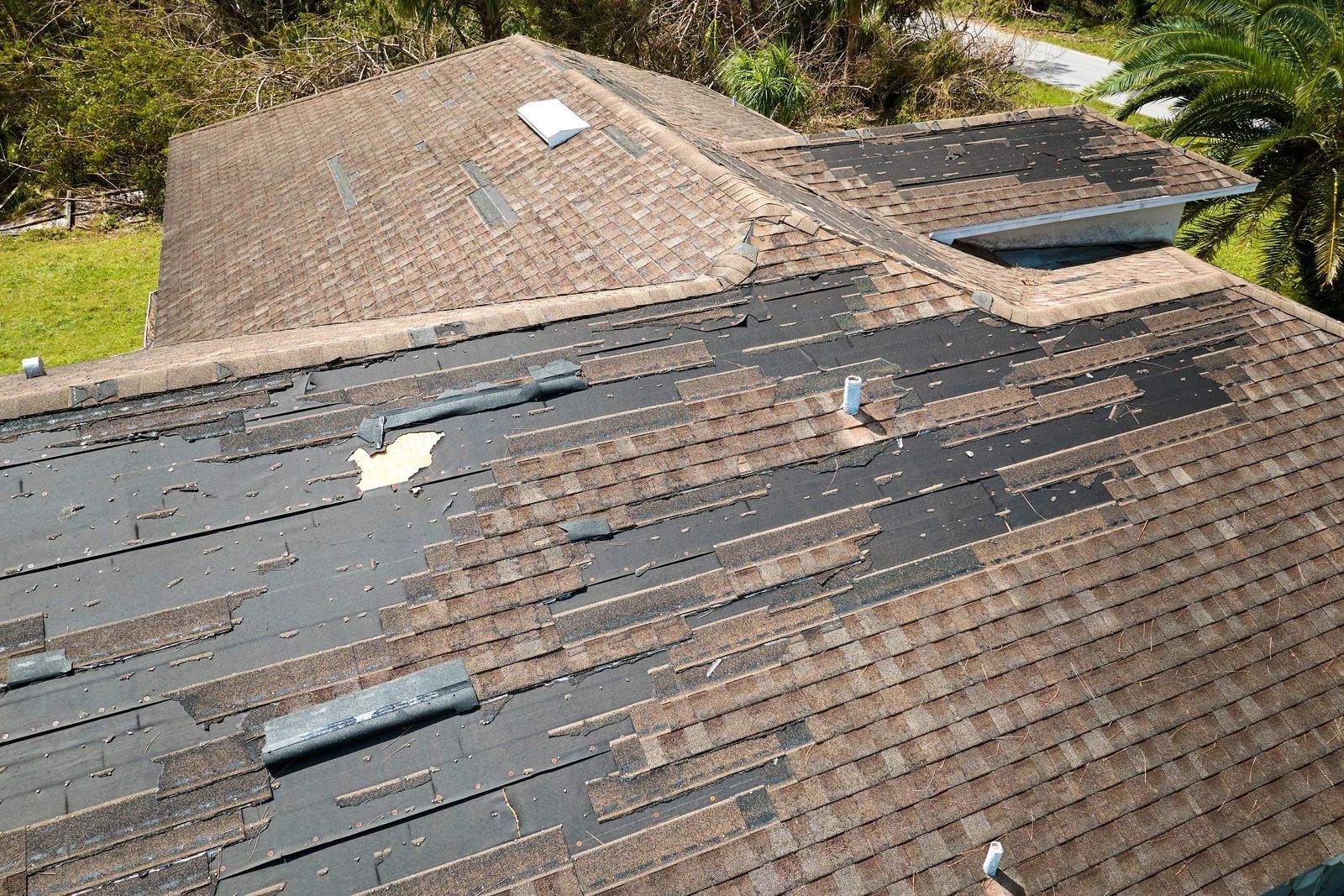
Quick Answer: After a hurricane damages your roof, stay off the roof itself, check the exterior from the ground for missing shingles or exposed decking, cover any openings that are letting water in, and get a professional inspection scheduled quickly. The days right after the storm matter most, because a roof that looks stable from the driveway can still be hiding torn underlayment or lifted flashing that lets moisture into the attic long after the wind has died down.
Start With What You Can See From the Ground
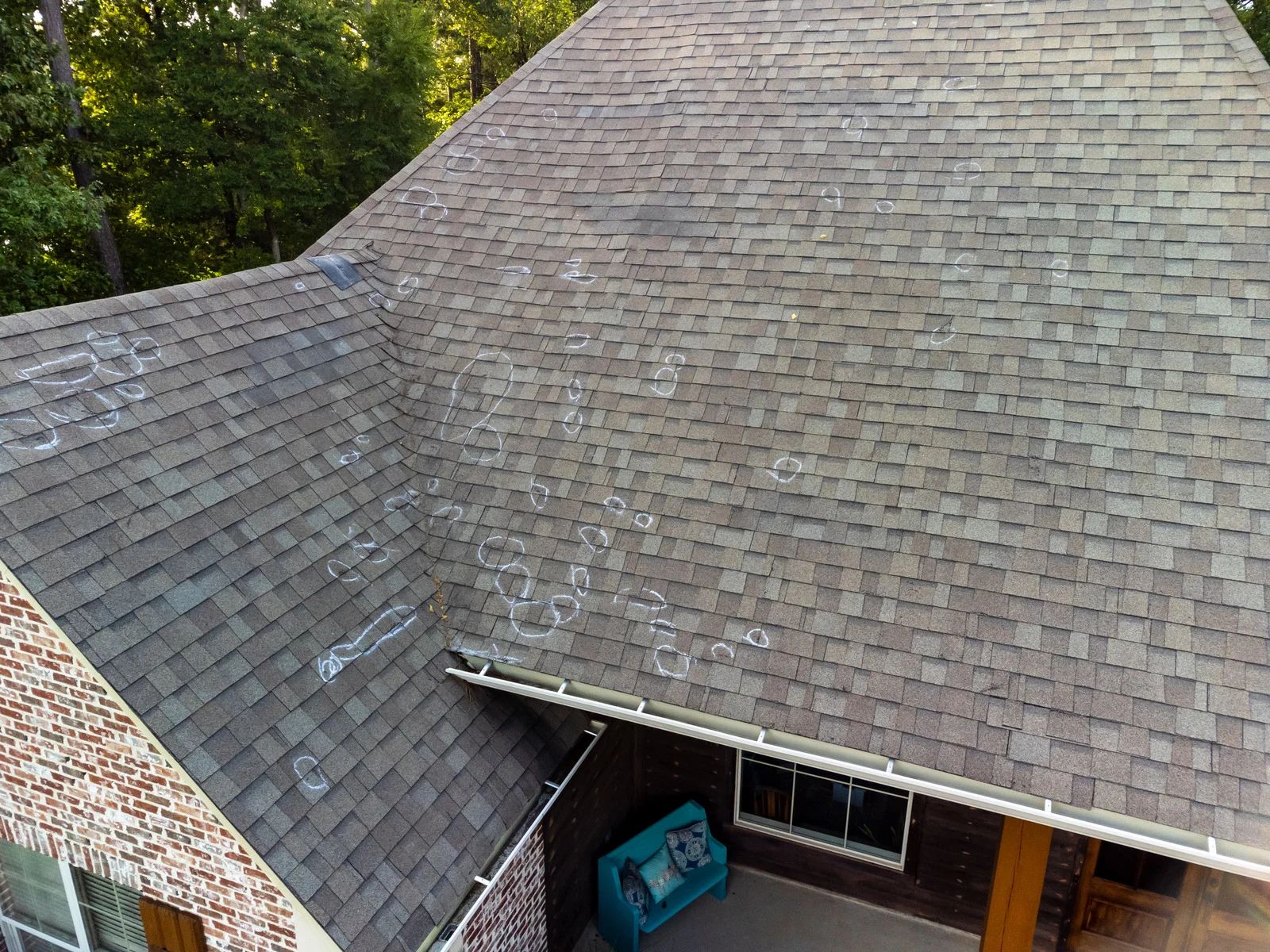
Wait until local authorities say it is safe to be outside, then walk the perimeter of your property before you worry about the roof itself. Look for downed power lines, leaning trees, or a smell of gas near the house. Keep your distance from any of those until the utility company or fire department clears the area. Once the yard checks out, look up. Missing shingles, dented or bent vent covers, and an uneven section of ridge line are the obvious tells. So are granules piling up in the gutters or in puddles near the downspouts, since that grit coming loose means the shingle surface is wearing thin. Cracked or displaced flashing around the chimney and skylights is another giveaway, and a soffit or fascia board pulled loose from the eave rounds out the usual list.
Binoculars work well for this. Skip the ladder for now. Roofing contractors who inspect storm damage for a living generally tell homeowners to assess from the ground rather than climb up themselves, since wet or wind loosened shingles make footing unpredictable even for an experienced eye. A ground level look will not catch everything, but it tells you whether the damage is obvious enough to need emergency tarping right away, or subtle enough that a trained inspector needs to get up there with the right equipment.
TIP: Walk the same path around your house in daylight and take a slow phone video as you go. Narrate what you see out loud. That simple habit gives you a timestamped record of the roof's condition that is far more useful later than a handful of scattered photos, and it takes less than ten minutes.
Any area where the roof plane dips, sags, or feels spongy underfoot is not a shingle problem. That is a decking problem, and it means moisture has been sitting on the structural layer long enough to cause rot. A repair over compromised decking will not hold. The deck has to be replaced before anything else gets installed over it.
Watch the Inside of the House Too
Roof damage does not always announce itself with a visible hole. A hurricane can lift shingles just enough to break their seal without tearing them off completely, which means water finds a path into the attic and works its way down through insulation before it ever shows up as a stain on your ceiling. Walk through the upper floor of your home and check ceilings and the tops of interior walls for new discoloration, a musty smell, or paint that has started to bubble. An attic check with a flashlight is worth the trouble if you can get up there safely, since a wet insulation patch or a dark ring around a roof penetration will tell you a leak has already started even if the outside looks fine.
A stain the size of a dinner plate today can spread across the whole ceiling by the next heavy rain.
Slow Down Water Intrusion While You Wait for Repairs
If wind uplift left shingles missing or debris punched through a section of decking, your priority shifts from inspection to protection. Standing water and repeated rain events in the days after a storm do more cumulative damage than the original impact did, so anything you can do to slow that intrusion buys time. Move furniture, electronics, and anything irreplaceable away from areas showing ceiling stains or active dripping, and set out containers to catch water so it is not soaking into flooring or drywall. If a window or a section of siding was breached along with the roof, covering the opening with plywood or heavy plastic sheeting keeps wind driven rain from making a bad situation worse before crews arrive.
Getting a tarp over an exposed section of roof is one of the most effective short term steps you can take. But it is also one of the more dangerous ones to attempt solo. A wet roof deck, gusty aftermath winds, and unfamiliar footing make a rough combination. That is exactly why emergency tarping is usually best left to a crew with the harnesses, ladders, and experience to do it without adding an injury on top of a damaged roof.
Why Small Storm Damage Grows Fast in a Houston Climate
A dented vent cap or a handful of lifted shingles might not sound urgent, but Houston's combination of heat and humidity turns minor gaps into bigger problems faster than drier climates. Moisture that gets past even a small breach has little chance to dry out between rain events during hurricane season, and trapped humidity in an attic space encourages wood rot and mold growth in a matter of weeks rather than months. That is part of why timing matters so much after a storm. A roof that would sit fine with a small repair scheduled a month out in a dry climate needs faster attention here, simply because the air itself keeps working against you.
Before You Call Anyone, Know What Not to Do
The adrenaline of the storm fades fast, and that is usually when the ladder comes out. Resist that instinct for anything beyond covering an obvious opening from a safe, ground level position. Roofing decks that have absorbed water lose structural integrity in ways that are not always visible, and a section that looks walkable can give way under weight it normally would have supported without issue. This is one spot where caution costs you nothing and a shortcut can cost you a trip to the emergency room.
WARNING: Never step onto a roof after a hurricane, even briefly, if you have any doubt about its condition. Wet decking, loosened fasteners, and hidden soft spots make storm damaged roofs far riskier to walk than they appear, and a fall from roof height is a serious injury regardless of how minor the visible damage looks.
Getting a Professional Set of Eyes on It
A thorough post storm inspection covers more ground than a homeowner walkaround ever will. Trained inspectors check the full roof plane, the flashing details around every penetration, the condition of the underlayment where shingles are missing, and the attic space from the inside, then put together a clear picture of what needs immediate attention versus what can be scheduled. That distinction matters, because not every hurricane damaged roof needs full replacement. Sometimes a targeted repair to a handful of damaged sections, paired with tightening up flashing and vents, restores the roof to full performance without the scope or disruption of tearing the whole system off.
If your home took a direct hit and shingles are missing across a large section, or if you can see daylight through the roof deck from inside the attic, treat that as urgent and get tarping and an inspection scheduled the same day if at all possible. Smaller issues, like a few lifted shingles or a dented vent, still deserve a prompt look, but the timeline is a bit more forgiving as long as the area stays dry in the meantime.
Keep a Simple Record as You Go
Whatever repairs end up happening, having your own record of the roof's condition right after the storm is worth the small effort it takes. Photos and video from the ground, notes on what you noticed and when, and a copy of any inspection report a contractor provides all add up to a clear timeline you can refer back to. This kind of record also helps you track whether repairs actually resolved the issue, since you have a clear before and after to compare against if a leak reappears months later during the next heavy rain.
Getting Your Roof Ready for the Next Storm
Think past the current repair once the immediate damage is handled. Hurricane season along the Gulf Coast runs from June through the end of November, and the heaviest stretch of storm activity lands between mid August and mid October. A roof patched after an early season storm may still need to hold up against another system before the season winds down. Ask whatever inspector or crew handles your repair to flag other vulnerable spots while they are already up there, things like aging flashing, worn ridge caps, or ventilation that is undersized for the attic space. Fixing those secondary issues alongside the storm repair beats waiting for the next system to find them for you.
Frequently Asked Questions
How soon after a hurricane should I have my roof inspected?
As soon as it is safe to do so, ideally within a day or two. Waiting longer gives moisture more time to spread through decking and insulation, especially in Houston's humidity, even if the surface damage looks minor.
Is it safe to walk on my roof to check for damage myself?
No. Wet, wind loosened, or water saturated roofing is unpredictable underfoot. Stick to a ground level inspection with binoculars and leave the up close assessment to someone trained and equipped for it.
What if I only see a few missing shingles and no visible leak?
Missing shingles still expose the underlayment beneath them, and Houston's heat and rain cycles can turn that small gap into a leak within a few weeks. A prompt inspection is still worthwhile even when the damage looks minor.
Can a damaged roof be repaired instead of fully replaced?
Often, yes. Many hurricane damaged roofs need targeted repairs to specific sections rather than a full tear off, though the right approach depends on how widespread the damage is and the roof's overall age and condition.
How do I know if the damage is severe enough for emergency tarping?
If you can see exposed decking, a hole, or daylight coming through the attic from outside, that section needs to be covered right away to stop water intrusion until permanent repairs happen.
Keeping Your Roof Strong Through Every Storm
For Gulf Coast homeowners, hurricane roof damage is rarely just about what the wind removed that day. The greater concern is often the moisture that follows, working its way through small openings that are easy to miss during a quick visual check. Careful observation, prompt documentation, and a thorough inspection help identify hidden problems before they develop into structural repairs. Understanding how storm damage progresses makes it easier to protect both the roof and the home beneath it after severe weather.
With 45
years of experience, Sunlite Exteriors
has seen how hurricane conditions affect roofing systems across Houston, TX, from minor wind damage to widespread storm impacts. Every roof responds differently depending on its age, materials, and previous wear, making a detailed evaluation essential after major weather events. Staying proactive after a hurricane helps preserve the roof's remaining service life while reducing the risk of ongoing moisture intrusion, allowing the home to recover more effectively from future Gulf Coast storms.